
- by hajar boulagjam
What Does Retinol Actually Do to Your Skin?
- by hajar boulagjam
Retinol shows up on almost every "best anti aging ingredients" list, in almost every dermatologist's routine, and in almost every skincare aisle. But if you've never used it, the actual explanation of what it does, and how, tends to get lost between marketing claims and warnings about peeling skin.
This is the beginner version. What retinol actually is, how it works once it's on your skin, what a realistic timeline looks like, and how to start without wrecking your skin barrier in week one.

Retinol is a form of vitamin A, and it belongs to a larger family of ingredients called retinoids. Every retinoid, from the gentlest to the strongest, works by delivering vitamin A to skin cells. The difference between them is how many conversion steps that vitamin A has to go through before it becomes active.
Here's the retinoid family, roughly gentlest to strongest:
Retinol sits in the middle of that list, which is exactly why it's the standard starting point. It's strong enough to do real work, and mild enough that most people can build up a tolerance without prescription level irritation.
Once retinol is applied, your skin has to convert it into retinoic acid before it can do anything. That conversion happens in two steps, inside the skin cells themselves, which is part of why retinol takes longer to show results than a prescription retinoid that's already active.
Once converted, retinoic acid binds to receptors inside skin cells and essentially sends an instruction: speed up. Specifically, it speeds up cell turnover, meaning skin cells cycle through their lifespan and get replaced faster than they would on their own. It also signals fibroblasts, the cells responsible for producing collagen, to increase their output.
That's the whole mechanism in plain terms: faster cell turnover, plus a nudge toward more collagen production. Everything retinol is known for on the surface comes from those two things happening underneath it.
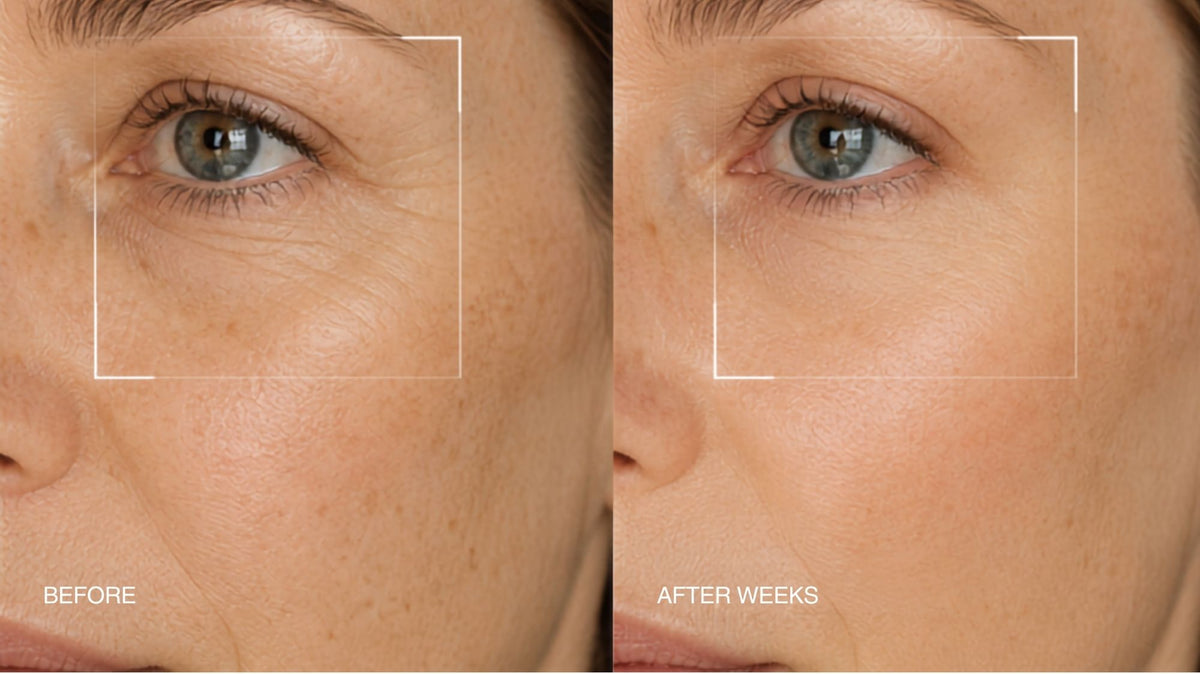
Based on that mechanism, here's what consistent retinol use is associated with over time.
One thing worth being direct about: retinol supports these changes gradually and with consistent use. It doesn't erase existing wrinkles overnight, and it isn't a replacement for sunscreen, it's a long term addition to a routine, not a quick fix.
This is the part beginners usually get wrong, expecting week one results from an ingredient that works on a cell cycle measured in weeks, not days.
The realistic takeaway: give any retinol product a full 12 weeks of consistent use before deciding whether it's working. Anything shorter isn't a fair trial.
Retinization is the general term for the adjustment period your skin goes through when starting retinol. It's common, it's expected, and it's temporary, but it's worth knowing what it actually looks like so you're not caught off guard.
Common signs of retinization:
How to manage it:
If irritation is severe rather than mild, or doesn't improve after a few weeks of low frequency use, that's a sign to scale back further or talk to a dermatologist rather than push through.
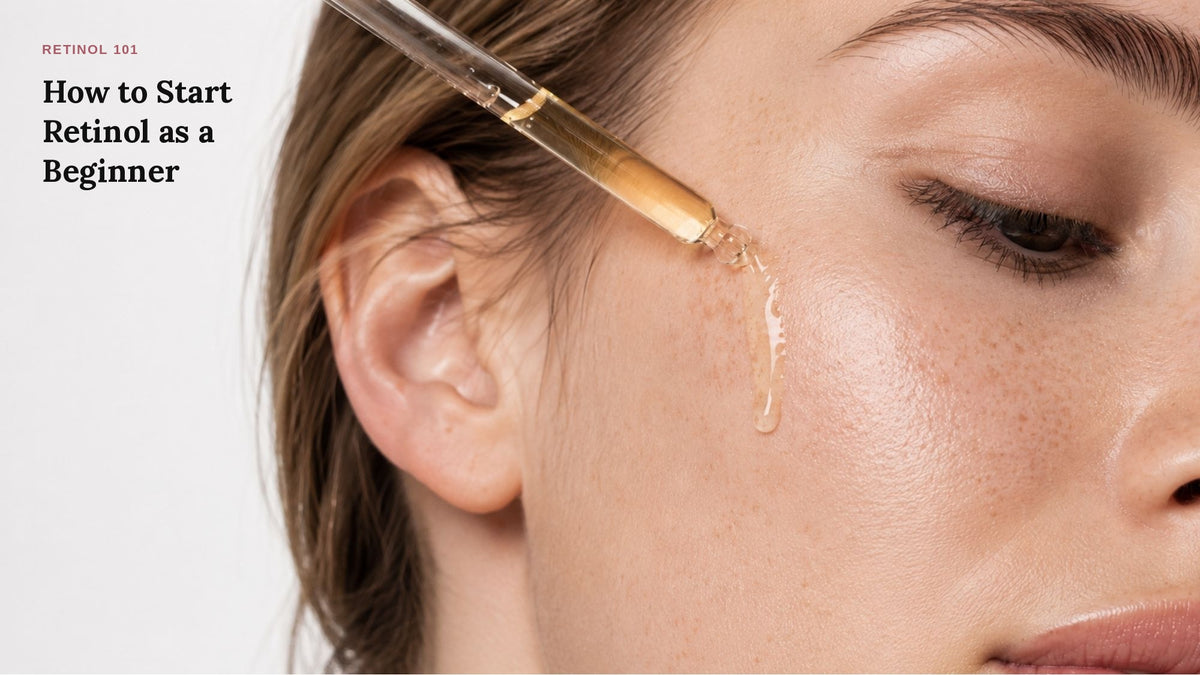
A simple, step by step way to introduce it without overwhelming your skin:
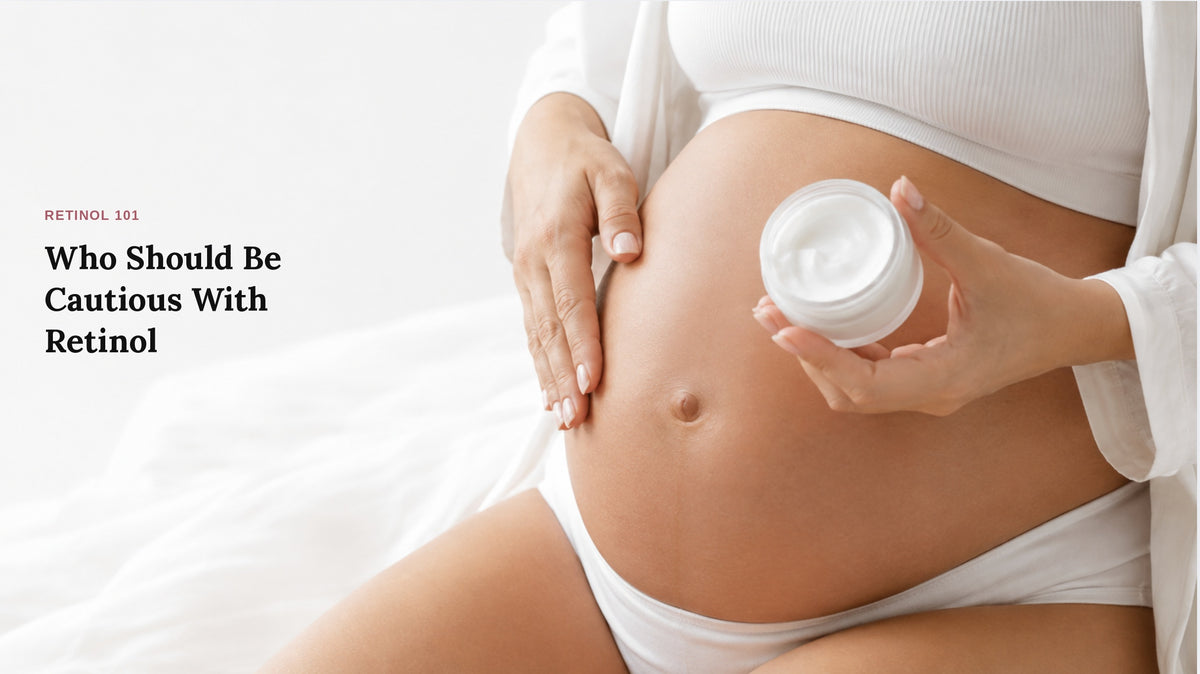
Retinol isn't the right fit for everyone, at least not without a conversation first.
Retinol works by speeding up cell turnover and supporting collagen production, and everything it's known for, smoother texture, fewer fine lines, more even tone, comes from those two underlying actions. It takes time, typically a full three months before the real results show up, and it comes with an adjustment period that's normal rather than a sign something's wrong.
Start slow, be consistent, protect your skin with sunscreen, and give it the twelve weeks it actually needs before deciding if it's working for you.
This article is for educational purposes only and isn't intended as medical advice. If you have persistent irritation or questions about whether retinol is right for you, talk to a dermatologist.